
Sustainability has become a key factor in contemporary exterior architecture. Increasingly, projects are seeking resistant, durable, and environmentally responsible materials capable of delivering high performance without compromising natural resources.
In the context, technological materials for outdoor use have become established as a sustainable alternative to many traditional solutions. Thanks to the use of recycled raw materials and more efficient manufacturing processes, they allow for the development of terraces, swimming pools, facades, and outdoor spaces with a reduced environmental impact.
VISENDUM® develops a sustainable material manufactured in Europe with 70% PEFC recycled pine and 30% PVC-free HDPE resin, designed for sustainable exterior architecture projects, high durability and without tretment, oils or varnishes.
Why are synthetic composites not sustainable?
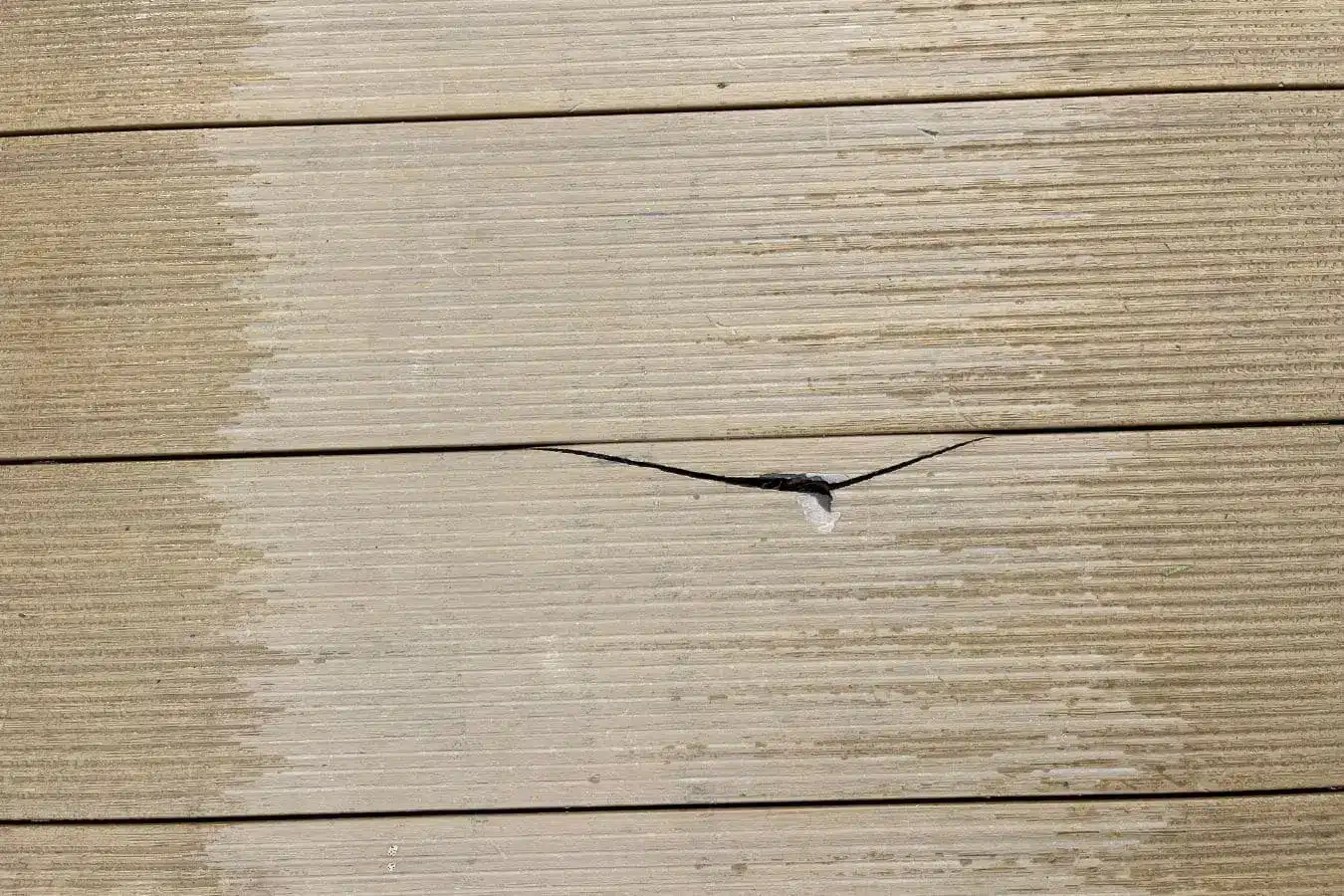
Not all materials marketed as “composite” or “synthetic wood” offer the same level of sustainability. Many products on the market contain high percentages of plastic, PVC, or synthetic encapsulants that hinder their recyclability and generate complex waste to manage at the end of their useful life.
In addition, many composites imported from Asia have a high carbon footprint resulting from maritime transport and less controlled manufacturing processes.
At VISENDUM®, we are comitted to a different solution: exterior sustainable materials manufactured in Europe with PEFC recycled wood and production processes aimed at minimizing environmental impact.
Ecological Advantages of Technological Decking® for Outdoor Use:
Manufactured with recycled materials
One of the main ecological benefits of technological decking® is that it is produced from recycled inputs, directly helping to preserve ecosystems. Using recycled pine wood chips avoids unnecessary tree felling and protects biodiversity. Manufacturing technological wood from reusable resources also supports a circular economy model, reducing waste build-up in landfills and oceans.
As part of our commitment to sustainability, we’ve developed ECOBOX, a recycling programme that optimizes reuse of waste from our technological decks®. Thanks to this initiative, recycled wood waste is reintegrated into new production processes without generating unnecessary refuse.
Reduction of deforestation
Choosing technological decking® is pivotal in reducing forest exploitation, since it avoids felling trees for exterior flooring production. While natural wood demands high resource consumption for harvesting and treatments, decking made from recycled materials conserves ecosystems and promotes responsible use of natural resources.
At VISENDUM®, we ensure our technological wood comes from responsible sources. That’s why we use PEFC-certified recycled pine wood chips, guaranteeing that the raw material originates from sustainably managed forests.
- LEED®: MRC 2, 4, 5 and 7.
- BREEAM®: MAT 5, SyB 9, RSD 3.
- VERDE®: D02 and 06, B02, C17.
At VISENDUM®, we don’t cut a single tree for decking production. In fact, just 1 m² of our technological decking® prevents deforestation of 54 m² of Amazon rainforest, reinforcing its position as one of the most sustainable outdoor flooring solutions on the market.
Greater durability and lower environmental impact
Durability is one of the most important fators in sustainability. A material with a longer lifespan reduces replacements, maintenances, and waste generation.
VISENDUM® exterior solutions ared designed to withstand humidity, solar radiation, thermal changes and demanding climatic conditons without the need for vanishes or preotective oils.
This allows for reductions in:
- periodic maintenance
- use of chemical products
- generation of pollting waste
- long-term resource consumption
Lower water consumption and polluting products
Maintenance of technological decking requires fewer resources compared to traditional wood. While wood needs regular treatments with varnishes, oils or sealers to prevent degradation, VISENDUM® decking only needs occasional cleaning with water and neutral soap.
VISENDUM® surfaces only need occasional cleaning, avoiding aggressive treatments and considerably reducing:
- Water consumption during maintenance.
- Use of varnishes and sealants.
- Generation of toxic waste in the environment.
Recyclability at end of its useful life
Another key aspect is the possibility of reusing materials at the end of their life cycle.
At VISENDUM®, we are committed to offering solutions that are sustainable not only in their manufacturing but also throughout their entire life cycle. Therefore, we prioritize materials that can be reused and recycled to minimize waste accumulation and promote more environmentally responsible construction.
Lower carbon footprint
Local manufacturing in Europe significantly reduces emissions from international transport and optimizes production preocesses,
At VISENDUM®, we work to minimize our carbon footprint through:
- european manufacturing
- use of recycled materials
- logistics optimizattion
- sustainable production processes
Conclusion
Exterior solutions developed with recycled technological materials represent a sustainable alternative to many traditional tropical hardwoods and synthetic composites.
Their durability and responsible manufacturing make them an increasingly popular choice for exterior architecture projects.
Discover VISENDUM® Technological Decking and learn about our vision for sustainable exterior architecture.
